
Introduction
Have you ever started a goal with excitement, only to lose interest a few weeks later? If so, you’re not alone. Understanding why motivation fades is one of the most important steps toward achieving long-term success.
Many people believe motivation is something successful people naturally have all the time. In reality, motivation comes and goes. Even highly successful individuals experience periods when they don’t feel inspired, energized, or eager to work toward their goals. The difference is that they understand how motivation works and know what to do when it starts to disappear…. See More.
Whether you’re trying to build a business, improve your health, learn a new skill, or achieve personal goals, losing motivation can make progress feel difficult. You may start procrastinating, questioning your abilities, or wondering if your goals are even worth pursuing.
The good news is that motivation loss is completely normal. More importantly, it can be overcome.
In this guide, you’ll learn the real reasons why motivation fades, the science behind it, common warning signs, and practical strategies to regain your drive. By the end, you’ll have a clear understanding of how to stay focused and keep moving forward even when motivation isn’t there.
Table of Contents
- Why Motivation Fades More Often Than You Think
- What Is Motivation?
- What Causes Motivation to Fade?
- The Science Behind Why Motivation Fades
- Signs Your Motivation Is Fading
- Why Motivation Alone Is Not Enough
- 15 Practical Ways to Get Motivation Back
- How Successful People Stay Motivated Long-Term
- Motivation vs Discipline
- Common Motivation Myths
- How to Prevent Motivation Loss
- FAQs
- Final Thoughts
Why Motivation Fades More Often Than You Think
Motivation Is Normal but Temporary
One of the biggest misconceptions about success is that motivated people stay motivated all the time. The truth is that motivation naturally rises and falls.
Think about the excitement you feel when setting a New Year’s resolution. During the first few days, your energy is high. You imagine the results, create plans, and feel unstoppable. But after a few weeks, reality sets in. Challenges appear, progress feels slow, and enthusiasm starts to fade.
This is not a personal failure. It is simply how motivation works.
Motivation is often fueled by emotions, and emotions constantly change. Some days you feel energized. Other days you don’t. That’s why relying solely on motivation can be risky.
Key Takeaway
- Motivation is temporary.
- Fluctuations are normal.
- Success requires more than motivation alone.
Why Everyone Experiences Motivation Loss
No one is immune to motivation loss. Students, athletes, entrepreneurs, and professionals all experience periods of low motivation.
Several factors contribute to this:
- Stress and overwhelm
- Lack of visible progress
- Fatigue and burnout
- Fear of failure
- Unrealistic expectations
- Daily distractions
When these challenges accumulate, motivation naturally decreases.
A person training for a marathon may feel excited during the first week but discouraged after weeks of difficult workouts. Similarly, a business owner may feel passionate when launching a project but lose motivation when growth takes longer than expected.
The key is understanding that motivation loss is part of the journey not the end of it.

What You’ll Learn in This Guide
This guide will help you:
- Understand why motivation fades
- Identify common motivation killers
- Learn the psychology of motivation
- Build discipline and consistency
- Develop habits that support long-term success
- Create systems that work even on low-motivation days
What Is Motivation?
Understanding How Motivation Works
Motivation is the internal drive that pushes people to take action toward a goal.
It is the reason you wake up early to exercise, study for an exam, or work on a project. Motivation gives you the energy and desire to move forward.
However, motivation is not a constant source of power. It changes depending on circumstances, emotions, environment, and mindset.
Understanding how motivation works helps you avoid frustration when your enthusiasm begins to decline.
Intrinsic vs Extrinsic Motivation
There are two main types of motivation.
Intrinsic Motivation
Intrinsic motivation comes from within.
Examples include:
- Learning because you enjoy it
- Exercising because it makes you feel healthy
- Reading because you’re curious
This type of motivation tends to last longer because it is connected to personal satisfaction.
Extrinsic Motivation
Extrinsic motivation comes from external rewards.
Examples include:
- Money
- Awards
- Recognition
- Praise
While external rewards can be powerful, they often provide only temporary motivation.
The strongest long-term motivation usually combines both intrinsic and extrinsic factors.
The Role of Purpose and Goals
People stay motivated longer when they have a clear purpose.
Purpose answers an important question:
Why does this goal matter?
Without a strong reason, it becomes easier to quit when obstacles appear.
For example:
- Losing weight to improve health is stronger than simply wanting a smaller number on a scale.
- Building a business to create freedom is more motivating than chasing money alone.
Clear goals provide direction, while purpose provides fuel.
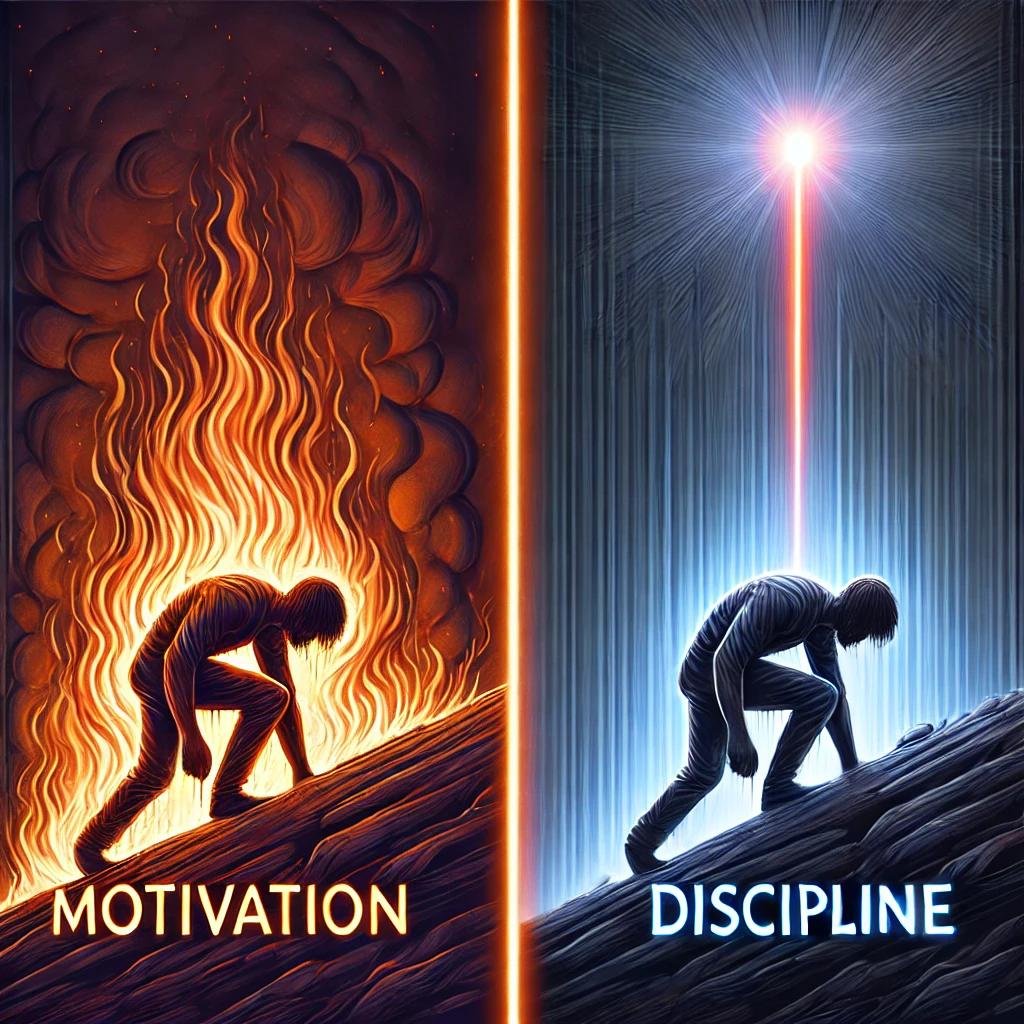
Motivation vs Discipline
Why They Are Different
Many people confuse motivation with discipline.
Motivation is the desire to act.
Discipline is the ability to act regardless of how you feel.
Motivation says:
“I feel like doing this today.”
Discipline says:
“I’m doing it whether I feel like it or not.”
Why You Need Both for Success
Motivation helps you start.
Discipline helps you continue.
Imagine trying to exercise for six months. Motivation may get you into the gym during the first week. Discipline keeps you showing up after the excitement fades.
The most successful people use motivation for inspiration and discipline for consistency.
What Causes Motivation to Fade?
Understanding the causes of motivation loss helps you prevent it and recover faster when it happens.
Unrealistic Expectations
Expecting Instant Results
One major reason motivation fades is expecting success too quickly.
Modern culture promotes instant gratification. People want immediate results, fast progress, and quick rewards.
Unfortunately, meaningful goals rarely work that way.
Building muscle, growing a business, learning a language, or developing new habits takes time.
When results don’t appear immediately, many people assume they’re failing and lose motivation.
Practical Takeaway
Focus on daily improvement instead of immediate outcomes.
Setting Goals That Are Too Big
Large goals can feel exciting at first, but they can also become overwhelming.
For example:
- Losing 100 pounds
- Writing a book in one month
- Building a successful business overnight
When goals seem impossible, motivation declines because the finish line feels too far away.
Better Approach
Break large goals into smaller milestones that feel achievable.
Lack of Clear Goals
Why Direction Matters
Imagine driving without knowing your destination.
You would quickly become frustrated.
The same thing happens with motivation.
Without clear goals, people often feel busy but unproductive.
Motivation thrives when there is a clear target.
The Cost of Vague Objectives
Vague goals create confusion.
Examples:
❌ “I want to be successful.”
❌ “I want to get healthier.”
Specific goals create clarity.
✅ “I will walk 30 minutes every day.”
✅ “I will save $500 in three months.”
Clarity increases motivation because progress becomes measurable.
Delayed Results
The Challenge of Long-Term Goals
Many worthwhile goals require patience.
Examples include:
- Fitness transformation
- Career growth
- Business success
- Personal development
Because progress happens slowly, motivation often decreases before results become visible.
Losing Interest Before Seeing Progress
Many people quit just before progress begins to appear.
The challenge is staying committed during the invisible growth phase.
Remember:
Small improvements compound over time.
The effort you’re making today may produce results weeks or months from now.
Fear of Failure
How Fear Creates Inaction
Fear of failure can quietly destroy motivation.
People often avoid action because they worry about:
- Making mistakes
- Looking foolish
- Being judged
- Not succeeding
As fear grows, action decreases.
Building Confidence Through Action
Confidence does not come before action.
Confidence comes from action.
Every small step proves to yourself that progress is possible.
The more action you take, the less power fear has over your motivation.
Too Many Distractions
Social Media and Attention Loss
Modern distractions constantly compete for your attention.
Notifications, videos, social media feeds, and endless entertainment make focused work difficult.
Every distraction pulls energy away from meaningful goals.
Protecting Your Focus
To protect motivation:
- Turn off unnecessary notifications.
- Schedule focused work sessions.
- Limit social media use.
- Create a distraction-free workspace.
Focus is one of the most valuable resources for maintaining motivation.
Negative Self-Talk
How Thoughts Affect Motivation
Your inner dialogue shapes your actions.
If you constantly tell yourself:
- “I’m not good enough.”
- “I’ll never succeed.”
- “What’s the point?”
Motivation naturally declines.
Replacing Limiting Beliefs
Replace negative thoughts with constructive ones:
- “I’m learning.”
- “Progress takes time.”
- “Every step matters.”
Positive self-talk creates a stronger mindset and supports long-term motivation.

The Science Behind Why Motivation Fades
Understanding the science behind motivation can help you stop blaming yourself when your enthusiasm disappears. Motivation is not simply about willpower. It is influenced by how your brain processes rewards, habits, emotions, and expectations.
When you understand what is happening behind the scenes, it becomes much easier to regain motivation and stay consistent.
Motivation Facts and Statistics
Understanding the psychology of motivation can help you stay committed when enthusiasm begins to fade.
- People who write down their goals are more likely to achieve them than those who keep goals only in their minds.
- Tracking progress increases motivation because visible improvement encourages continued effort.
- Accountability can significantly improve goal completion rates.
- Habits reduce reliance on motivation by making positive behaviors automatic.
- Consistent small actions often produce better long-term results than occasional bursts of intense effort.
Key Takeaway
Motivation may start the journey, but habits, accountability, and consistency are what help people reach their goals.
The Brain’s Reward System
Your brain is designed to seek rewards. Whenever you accomplish something meaningful, your brain releases chemicals that make you feel good and encourage you to repeat the behavior.
This reward system helped humans survive by motivating them to pursue important activities. Today, the same system influences everything from exercising and studying to scrolling through social media.
Understanding Dopamine
Dopamine is often called the “motivation chemical,” but its role is more complex than many people realize.
Dopamine is released when your brain anticipates a reward. It creates excitement, curiosity, and the desire to take action.
For example:
- Starting a new fitness program feels exciting.
- Launching a new project feels energizing.
- Setting a fresh goal creates enthusiasm.
This happens because your brain is anticipating positive outcomes.
However, dopamine is strongest when something feels new and exciting. As activities become familiar, dopamine levels often decrease, causing motivation to fade.
Practical Takeaway
Don’t panic when excitement decreases. It doesn’t mean your goal is wrong. It simply means the novelty has worn off.
Why New Goals Feel Exciting
New goals create a sense of possibility.
When people start something new, they often imagine:
- Future success
- Recognition
- Better health
- Financial freedom
- Personal growth
These positive images create emotional energy.
The challenge is that imagining success is easier than doing the daily work required to achieve it.
As reality replaces imagination, motivation naturally declines.
Motivational Example
A person decides to learn a new language. During the first week, they feel excited and study every day. After a month, progress feels slower than expected. The excitement fades.
This doesn’t mean they cannot succeed. It simply means they have reached the stage where consistency matters more than excitement.
Why Initial Excitement Doesn’t Last
Most people experience a predictable motivation cycle.
- Excitement
- Difficulty
- Frustration
- Adaptation
- Progress
Many people quit during stages two and three because they mistake difficulty for failure.
The Novelty Effect
The novelty effect refers to the temporary excitement people experience when something is new.
Think about:
- A new workout plan
- A new job
- A new business idea
- A new productivity system
Initially, everything feels fresh and motivating.
Over time, familiarity replaces excitement. Tasks become routine, and motivation decreases.
This is completely normal.
Successful people understand that long-term achievement happens after the novelty wears off.
Adapting to New Challenges
Your brain quickly adapts to new experiences.
What once felt exciting eventually feels ordinary.
This adaptation is not a problem. It is actually a sign of growth.
The key is learning how to continue moving forward even when excitement disappears.
Practical Takeaway
Instead of chasing constant motivation, focus on building consistent habits that support your goals.
Habit Formation and Motivation
Many people rely too heavily on motivation and not enough on habits.
Motivation gets you started.
Habits keep you going.
Why Habits Outlast Motivation
Habits require less mental energy because they become automatic over time.
For example:
- Brushing your teeth
- Driving to work
- Making your morning coffee
You don’t need motivation to perform these actions because they have become routine.
The same principle applies to success habits.
When exercise, reading, writing, or planning become habits, they no longer depend on motivation.
Benefits of Habit-Based Success
- Reduced procrastination
- More consistency
- Better productivity
- Less decision fatigue
- Long-term progress
Creating Automatic Behaviors
Building habits requires repetition.
Start small.
Examples:
- Read one page daily.
- Walk for ten minutes.
- Write for five minutes.
- Practice a skill for fifteen minutes.
Small actions repeated consistently eventually become automatic.
The goal is not perfection.
The goal is consistency.
Signs Your Motivation Is Fading
Motivation rarely disappears overnight. Usually, there are warning signs that appear first.
Recognizing these signs early can help you take action before you completely lose momentum.
Increased Procrastination
One of the clearest signs of declining motivation is procrastination.
Tasks that once felt exciting suddenly feel difficult.
You may find yourself:
- Delaying important work
- Making excuses
- Waiting for the “perfect time”
- Choosing easy distractions
While occasional procrastination is normal, persistent procrastination often signals a motivation problem.
Quick Fix
Commit to working for just five minutes.
Starting is often the hardest part.
Constant Lack of Energy
Low motivation often feels like low energy.
Even simple tasks may seem exhausting.
You may notice:
- Difficulty concentrating
- Feeling mentally drained
- Reduced enthusiasm
- Constant fatigue
Sometimes this is caused by stress, poor sleep, or burnout rather than a lack of motivation itself.
Quick Fix
Ask yourself:
“Am I truly unmotivated, or am I simply exhausted?”
The answer may surprise you.
Loss of Interest in Goals
When motivation fades, goals that once felt meaningful may begin to feel unimportant.
You may start questioning:
- Why you started
- Whether the goal matters
- Whether the effort is worth it
This often happens during difficult phases when progress is not immediately visible.
Quick Fix
Reconnect with your original reason for pursuing the goal.
Review your purpose regularly.
Reduced Productivity
A drop in productivity is another warning sign.
You may spend hours being busy but accomplish very little.
Common symptoms include:
- Poor focus
- Frequent interruptions
- Difficulty making decisions
- Unfinished tasks
Motivation and productivity are closely connected.
When motivation declines, productivity usually follows.
Quick Fix
Identify your most important task and complete it first.
Small wins rebuild momentum.
Feeling Stuck Despite Effort
Many people experience frustration when they work hard but fail to see results.
This creates a feeling of being stuck.
You may think:
- “Nothing is working.”
- “I’m not making progress.”
- “Why should I continue?”
This stage is dangerous because it often causes people to quit too soon.
Motivational Reminder
Progress is not always visible.
Many breakthroughs happen after long periods of seemingly slow improvement.
Keep going.
Why Motivation Alone Is Not Enough
One of the biggest mistakes people make is believing motivation alone will carry them to success.
While motivation is valuable, it is not reliable enough to sustain long-term achievement.
The people who accomplish extraordinary things learn how to succeed even when motivation disappears.
Motivation Is Temporary
Motivation is influenced by:
- Emotions
- Environment
- Energy levels
- Stress
- Circumstances
Because these factors constantly change, motivation naturally fluctuates.
Why Feelings Change Daily
Some days you wake up feeling excited and energized.
Other days you feel tired, distracted, or overwhelmed.
If your actions depend entirely on your feelings, your progress will become inconsistent.
Successful people understand this reality.
They act even when they don’t feel like it.
Practical Takeaway
Never make important decisions based solely on temporary emotions.
Discipline Creates Consistency
Discipline is what keeps you moving forward when motivation disappears.
It means doing what needs to be done regardless of how you feel.
Discipline is not about being perfect.
It is about being consistent.
Taking Action Without Motivation
Many people wait until they feel motivated.
Successful people take action first.
Interestingly, action often creates motivation.
The more progress you make, the more motivated you become.
Motivational Example
A writer may not feel inspired every day.
However, by sitting down and writing anyway, inspiration often appears after the work begins.
Action creates momentum.
Momentum creates motivation.
Systems Beat Feelings
The most successful individuals rely on systems rather than emotions.
A system is a repeatable process that helps you achieve a goal consistently.
Examples include:
- Morning routines
- Workout schedules
- Weekly planning sessions
- Daily reading habits
- Time-blocking schedules
Systems remove the need to constantly decide what to do.
Building Reliable Routines
Reliable routines reduce dependence on motivation.
For example:
Instead of saying:
“I’ll exercise when I feel motivated.”
Say:
“I exercise every Monday, Wednesday, and Friday at 7 AM.”
One approach depends on emotions.
The other depends on a system.
Systems produce results because they continue working even on difficult days.
Key Takeaways
- Motivation starts the journey.
- Discipline keeps you moving.
- Habits make success easier.
- Systems create consistency.
- Action often creates motivation not the other way around.
15 Practical Ways to Get Motivation Back
If you’re struggling with a loss of motivation, don’t worry. Motivation can be rebuilt. The key is to stop waiting for inspiration and start creating the conditions that help motivation return naturally.
The following strategies are practical, proven, and easy to apply in daily life.
You can also explore our article on How to Stay Motivated Every Day for additional strategies and daily motivation tips.
Reconnect With Your Why
One of the most common reasons motivation fades is forgetting why you started.
When your purpose becomes unclear, tasks begin to feel meaningless.
Take a few minutes to ask yourself:
- Why is this goal important?
- What will happen if I achieve it?
- What will happen if I quit?
- How will my life improve?
The stronger your reason, the easier it becomes to stay committed.
Practical Example
Someone trying to lose weight may struggle to stay motivated if the goal is only to look better.
However, motivation often increases when the goal becomes:
- Living longer
- Having more energy
- Being healthier for family
A meaningful purpose creates lasting motivation.
Break Goals Into Smaller Steps
Large goals often feel overwhelming.
When people focus only on the final destination, they may feel discouraged by how far they still have to go.
Instead, break big goals into smaller milestones.
Example
Instead of:
❌ Write a book
Try:
✅ Write 500 words daily
Instead of:
❌ Lose 50 pounds
Try:
✅ Lose 2 pounds this month
Small wins create momentum and make progress feel achievable.
Practical Takeaways
- Focus on today’s task.
- Celebrate small progress.
- Make goals manageable.
Celebrate Small Wins
Many people only celebrate major achievements.
Unfortunately, this approach can leave you feeling discouraged for long periods.
Success is built through small victories.
Every completed task deserves recognition.
Examples of Small Wins
- Finishing a workout
- Reading a chapter
- Completing a project milestone
- Saving money consistently
- Learning a new skill
Acknowledging progress keeps motivation alive.
Why Small Wins Matter
Small wins trigger positive emotions and reinforce productive behavior.
They remind you that progress is happening even when results are not yet visible.
Create a Daily Routine
Motivation becomes unreliable when every day is different.
A routine removes uncertainty and helps you stay consistent.
When important activities are scheduled, they are more likely to happen.
Benefits of a Daily Routine
- Reduces procrastination
- Improves focus
- Builds discipline
- Conserves mental energy
Example Morning Routine
- Wake up at the same time
- Exercise for 20 minutes
- Review goals
- Plan top priorities
Consistency creates momentum.
Remove Distractions
Distractions are one of the biggest motivation killers.
Even highly motivated people struggle when their attention is constantly interrupted.
Common Distractions
- Social media
- Constant notifications
- Television
- Multitasking
- Unorganized workspaces
Practical Solutions
- Turn off unnecessary notifications.
- Use focus timers.
- Create a dedicated workspace.
- Schedule distraction-free work periods.
The fewer distractions you face, the easier it becomes to stay motivated.
Focus on Progress, Not Perfection
Perfectionism destroys motivation.
Many people quit because they believe every step must be perfect.
The truth is that progress matters more than perfection.
Remember
Perfect action is rare.
Consistent action creates results.
Successful people improve through repetition, not perfection.
Practical Mindset Shift
Instead of asking:
“Can I do this perfectly?”
Ask:
“Can I do this better than yesterday?”
That simple shift can dramatically increase motivation.
Practice Positive Self-Talk
Your thoughts influence your actions.
Negative self-talk can quietly drain your motivation.
Examples of Negative Self-Talk
- I can’t do this.
- I’m not talented enough.
- I’ll never succeed.
- I’m too far behind.
These thoughts create doubt and hesitation.
Replace Them With
- I’m improving every day.
- Progress takes time.
- I can learn this skill.
- Every step counts.
Positive self-talk builds confidence and resilience.
Visualize Success
Visualization is a powerful mental tool used by athletes, entrepreneurs, and high achievers.
Spend a few minutes imagining yourself achieving your goal.
Picture:
- The result you want
- The person you’re becoming
- The benefits you’ll experience
Visualization strengthens emotional commitment and helps maintain focus.
Practical Tip
Visualize both the goal and the daily actions required to achieve it.
This creates a stronger connection between effort and reward.
Exercise Regularly
Physical activity improves both mental and physical energy.
Exercise helps reduce stress, improve mood, and increase focus.
Even short workouts can have a positive impact on motivation.
Benefits of Exercise
- Higher energy levels
- Better concentration
- Reduced anxiety
- Improved confidence
- Greater productivity
Practical Goal
Aim for at least 20–30 minutes of movement most days of the week.
You don’t need an intense workout.
Consistency matters more than intensity.

Improve Sleep Quality
Many motivation problems are actually energy problems.
Poor sleep affects:
- Focus
- Mood
- Decision-making
- Productivity
- Self-control
Better Sleep Habits
- Maintain a consistent sleep schedule.
- Avoid screens before bed.
- Limit caffeine late in the day.
- Create a relaxing bedtime routine.
A well-rested mind performs better and stays motivated longer.
Track Your Progress
Progress is one of the most powerful sources of motivation.
When you can see improvement, it becomes easier to continue.
Ways to Track Progress
- Journaling
- Habit trackers
- Goal charts
- Productivity apps
- Weekly reviews
Tracking helps you recognize growth that might otherwise go unnoticed.
Motivational Example
Someone learning a language may feel stuck.
However, reviewing notes from six months ago often reveals significant progress.
Evidence of growth fuels motivation.
Find Accountability Partners
Accountability increases commitment.
When someone else knows your goals, you’re more likely to follow through.
Accountability Sources
- Friends
- Family members
- Coaches
- Mentors
- Online communities
Support and encouragement can make difficult goals feel more manageable.
Practical Tip
Share specific goals and deadlines with someone you trust.
Learn Something New
Sometimes motivation fades because life becomes repetitive.
Learning creates excitement and stimulates personal growth.
Ideas for Continuous Learning
- Read books
- Take online courses
- Listen to podcasts
- Develop new skills
- Attend workshops
Growth creates momentum.
The more you learn, the more opportunities you discover.
Take Strategic Breaks
Many people believe working harder will solve motivation problems.
In reality, constant effort can lead to burnout.
Rest is productive when used wisely.
Signs You Need a Break
- Mental exhaustion
- Constant frustration
- Difficulty concentrating
- Increased irritability
- Lack of enthusiasm
Healthy Ways to Recharge
- Walk outdoors
- Spend time with loved ones
- Practice mindfulness
- Take a day off
- Enjoy hobbies
Recovery helps motivation return stronger.
Start Before You Feel Ready
Perhaps the most important strategy is to stop waiting for perfect motivation.
Many people delay action because they don’t feel ready.
The truth is that readiness often comes after action begins.
Why Taking Action Creates Momentum
Action breaks inertia.
The moment you begin, resistance starts to decrease.
Even small actions can trigger motivation.
Action Builds Confidence
Confidence grows through experience.
Every completed task proves that progress is possible.
The more action you take, the more confident you become.
Small Steps Lead to Big Results
You do not need massive effort to change your life.
You need consistent effort.
Small daily actions compound over time.
Examples include:
- Reading 10 pages daily
- Saving a small amount each week
- Practicing a skill for 15 minutes
- Exercising consistently
Over months and years, these actions create remarkable results.
Key Takeaways
- Start before you feel ready.
- Focus on progress, not perfection.
- Build momentum through action.
- Trust the process.
- Small steps eventually become major achievements.
The most successful people are not always the most motivated. They are often the most consistent. When motivation fades, action becomes your greatest advantage.
How Successful People Stay Motivated Long-Term
Many people assume that successful individuals wake up every day feeling motivated and inspired. In reality, successful people experience the same doubts, distractions, and low-energy days as everyone else.
The difference is that they have learned how to keep moving forward when motivation fades.
They Build Habits Instead of Relying on Motivation
Successful people understand that motivation is temporary.
Rather than depending on how they feel each day, they create habits that support their goals.
For example:
- Writers develop a daily writing habit.
- Athletes follow a training schedule.
- Entrepreneurs dedicate specific hours to important work.
When actions become habits, less willpower is required.
Practical Takeaway
Ask yourself:
“What habit would make achieving my goal easier?”
Start small and focus on consistency.
They Focus on Consistency
Consistency often beats intensity.
Many people work extremely hard for a few days and then quit when motivation disappears.
Successful individuals take a different approach.
They focus on showing up repeatedly.
Example
Reading 10 pages every day is often more effective than reading 100 pages once a month.
Similarly, exercising three times a week for a year produces better results than exercising daily for two weeks and then stopping.
Key Lesson
Consistency creates progress.
Progress creates confidence.
Confidence helps sustain motivation.
They Accept Imperfect Progress
Perfectionism can become a major obstacle to success.
Successful people understand that mistakes are part of the learning process.
Instead of aiming for perfection, they focus on improvement.
They Understand
- Mistakes provide feedback.
- Progress is rarely linear.
- Setbacks are temporary.
- Growth takes time.
By accepting imperfect progress, they avoid frustration and maintain momentum.
They Keep Going During Difficult Days
Everyone has days when they feel tired, discouraged, or uninspired.
The most successful people continue taking action anyway.
They understand that success is built during difficult moments.
Motivational Example
An athlete who trains only when motivated will struggle to improve.
An athlete who trains consistently even on difficult days develops resilience and long-term success.
Practical Takeaway
Commit to doing something, even if it’s less than usual.
Small actions keep momentum alive.
Motivation vs Discipline: Which Matters More?
This question has sparked countless debates.
Both motivation and discipline are important, but they serve different purposes.
Understanding the difference can help you achieve your goals more effectively.
Key Differences
Motivation and discipline work together, but they are not the same thing.
Motivation Drives Action
Motivation is the emotional desire to do something.
It creates excitement and helps you get started.
Examples include:
- Feeling inspired to begin a fitness journey.
- Getting excited about a new business idea.
- Wanting to learn a new skill.
Motivation is powerful, but it is also temporary.
Discipline Sustains Action
Discipline is the ability to continue even when motivation disappears.
It allows you to:
- Follow routines
- Keep commitments
- Complete difficult tasks
- Stay focused on long-term goals
Discipline transforms occasional effort into consistent progress.
When Motivation Helps Most
Motivation is especially useful during the beginning stages of a goal.
It can:
- Inspire action
- Create excitement
- Increase energy
- Help you set ambitious goals
Motivation often provides the spark.
When Discipline Matters More
Discipline becomes essential once challenges appear.
It helps you continue when:
- Results are slow
- Obstacles arise
- Energy levels drop
- Motivation disappears
Practical Rule
Use motivation to start.
Use discipline to continue.
The combination of both creates long-term success.
Common Motivation Myths
Many beliefs about motivation are misleading.
These myths can create unrealistic expectations and cause unnecessary frustration.
Let’s separate fact from fiction.
Successful People Are Always Motivated
This is one of the biggest myths.
Even highly successful people experience:
- Self-doubt
- Fatigue
- Stress
- Low motivation
What makes them successful is their ability to keep going anyway.
Truth
Successful people are not consistently motivated.
They are consistently committed.
Motivation Comes Before Action
Many people wait until they feel motivated before taking action.
Unfortunately, this approach often leads to procrastination.
In reality, action frequently creates motivation.
Example
You may not feel like exercising.
However, once you begin, your energy often increases.
Truth
Action often comes before motivation.
You Need Motivation Every Day
Motivation naturally rises and falls.
Expecting to feel motivated every day sets unrealistic expectations.
Truth
You do not need motivation every day.
You need systems, habits, and consistency.
Motivation Guarantees Success
Motivation alone is not enough.
Without action, even the strongest motivation produces no results.
Truth
Success requires:
- Effort
- Consistency
- Discipline
- Patience
Motivation is only one piece of the puzzle.
How to Prevent Motivation Loss in the Future
While motivation loss is normal, there are steps you can take to reduce its impact and maintain momentum.
Set Realistic Goals
Unrealistic goals often lead to frustration and disappointment.
Instead of setting goals that feel impossible, create goals that challenge you while remaining achievable.
Better Goal Setting
Instead of:
❌ Become a millionaire this year
Try:
✅ Increase income by 15% this year
Realistic goals build confidence and sustain motivation.
Review Progress Weekly
People often lose motivation because they focus on what remains rather than what they have accomplished.
Weekly reviews help you recognize growth.
Questions to Ask
- What went well this week?
- What did I learn?
- What progress did I make?
- What can I improve next week?
Regular reflection keeps you connected to your goals.
Protect Your Physical and Mental Energy
Energy is closely connected to motivation.
When energy levels are low, motivation often suffers.
Prioritize
- Quality sleep
- Regular exercise
- Healthy nutrition
- Stress management
- Relaxation
Taking care of yourself improves both performance and motivation.
Build Sustainable Habits
Habits reduce dependence on motivation.
The more positive behaviors become automatic, the less effort they require.
Examples
- Daily reading
- Morning planning
- Exercise routines
- Gratitude journaling
- Time blocking
Small habits repeated consistently create powerful long-term results.
Create an Environment for Success
Your environment influences your behavior more than you may realize.
A supportive environment makes good choices easier.
Practical Ideas
- Keep your workspace organized.
- Remove distractions.
- Surround yourself with positive people.
- Place reminders of your goals where you can see them.
Your environment should support your success, not work against it.
Frequently Asked Questions
Why Does Motivation Fade So Quickly?
Motivation often fades because the excitement of a new goal decreases over time. Challenges, distractions, delayed results, stress, and unrealistic expectations can also reduce motivation.
How Long Does It Take to Regain Motivation?
There is no fixed timeline for regaining motivation. For some people, motivation returns within a few days, while others may need several weeks. The best approach is to focus on small actions, healthy habits, and consistent progress instead of waiting to feel motivated again.
How Do I Get Motivation Back When I Feel Stuck?
Start with small actions. Reconnect with your purpose, break goals into manageable steps, track progress, and focus on consistency rather than perfection.
Is It Normal to Lose Motivation?
Yes. Everyone experiences periods of low motivation. Motivation naturally fluctuates based on emotions, energy levels, and circumstances.
Can Discipline Replace Motivation?
Discipline cannot completely replace motivation, but it can help you continue making progress when motivation is low. Discipline is often more reliable than motivation for long-term success.
What Causes Sudden Loss of Motivation?
Sudden motivation loss can be caused by burnout, stress, lack of sleep, overwhelm, fear of failure, or personal challenges that affect mental and emotional energy.
How Can I Stay Motivated Every Day?
Focus on habits, routines, clear goals, and consistent action. Instead of trying to feel motivated every day, create systems that help you stay productive regardless of your mood.
What Is the Biggest Killer of Motivation?
One of the biggest motivation killers is unrealistic expectations. When people expect immediate results and do not see quick progress, they often become discouraged and quit too soon.
Final Thoughts
Motivation Comes and Goes, Progress Stays
The most important lesson to remember is that motivation is temporary, but progress can last a lifetime.
Everyone experiences moments when motivation fades. What separates successful people from those who quit is not constant inspiration it’s consistent action.
Focus on Consistent Action
You do not need to feel motivated every day.
You simply need to keep moving forward.
Even small actions create momentum.
Every workout, every page read, every productive decision, and every step forward contributes to long-term success.
Build Habits That Support Success
Habits are the bridge between goals and results.
The stronger your habits become, the less you will depend on motivation.
Over time, consistency becomes automatic, and progress becomes inevitable.
Final Encouragement
If your motivation has faded, don’t see it as a sign to quit.
See it as a sign to rely on discipline, habits, and persistence.
Keep showing up.
Keep learning.
Keep improving.
Your future success depends less on how motivated you feel today and more on the actions you choose to take right now.
Remember This
The most successful people are not those who feel motivated every day. They are the people who continue taking action even when motivation disappears. Every small step you take today brings you closer to the future you want. Stay patient, trust the process, and keep moving forward.
For more inspiration, check out our collection of Daily Motivation Quotes and Self-Improvement Habits.
Call to Action
Have you ever struggled with motivation loss? Share your experience and the strategies that helped you regain motivation. Remember, every small step forward counts. Start today, stay consistent, and keep working toward the life you want to create.
Related Post: https://motiviqo.com/never-give-up-motivational-quotes/