
Personal growth does not require changing your entire life overnight. Small, intentional actions can improve your mindset, habits, confidence, relationships, skills, and daily routine.
How to improve yourself starts with identifying one area that genuinely needs attention. Instead of trying to change everything at once, choose a realistic action, repeat it consistently, and learn from your progress.
Whether you want to become more disciplined, build confidence, develop better habits, improve your relationships, or simply feel more in control of your daily life, self-improvement is an ongoing process. The goal is not perfection. The goal is meaningful progress.
This guide shares practical ways to improve your mindset, routines, self-discipline, learning, emotional growth, physical well-being, relationships, career development, and inner life.
What Does It Mean to Improve Yourself?
Self-improvement means intentionally developing the way you think, behave, learn, communicate, and respond to challenges. It can include developing better habits, becoming more self-aware, learning useful skills, strengthening relationships, and creating healthier routines.
Learning How to improve yourself does not mean becoming someone else. It means understanding your values, recognizing areas where you want to grow, and taking practical actions that move you forward.
Focus on:
- Better habits
- Personal growth
- Self-awareness
- Useful skills
- Healthy routines
- Stronger relationships
- Self-discipline
- Meaningful goals
- Consistent progress
Why Is Self-Improvement Important?
How to improve yourself becomes easier when you understand why personal growth matters. Self-improvement can encourage you to become more intentional about your time, choices, priorities, habits, and learning.
Builds Self-Awareness
Self-reflection can help you recognize your strengths, weaknesses, values, habits, and recurring patterns.
Helps You Develop Better Habits
Small actions repeated consistently can become reliable parts of your daily routine.
Improves Confidence
Confidence can grow when you take action, practice useful skills, and keep reasonable commitments to yourself.
Supports Personal Growth
Learning, practicing, reflecting, and adjusting can help you continue developing over time.
Helps You Handle Challenges
Developing self-awareness and practical coping habits can make it easier to reflect on setbacks and decide what to do next.
100+ Ways to Improve Yourself Every Day
There is no single formula for How to improve yourself. Choose the ideas that fit your current priorities instead of attempting all of them at once.
Mindset and Self-Awareness
1. Know What You Want to Improve
Choose one specific area instead of trying to change your entire life.
2. Identify Your Strengths and Weaknesses
Write down what you already do well and where you need more practice.
3. Practice Self-Reflection
Spend a few minutes asking what worked, what did not, and what you learned.
4. Challenge Negative Thinking
Question automatic negative thoughts instead of immediately accepting them as facts.
5. Stop Comparing Yourself to Others
Use your own previous progress as a more meaningful reference point.
6. Learn From Your Mistakes
Ask what a mistake can teach you and what you can do differently next time.
7. Accept What You Cannot Control
Put your energy into your decisions and actions rather than circumstances outside your control.
8. Develop a Growth Mindset
Treat skills as things that can improve through learning and practice.
9. Practice Positive Self-Talk
Speak to yourself with the same respect and patience you would offer someone you care about.
10. Become More Patient With Yourself
Meaningful personal change usually requires repetition and time.
Habits and Daily Routines
A practical approach to How to improve yourself is to improve the routines you repeat every day.
11. Create a Simple Morning Routine
Choose a few useful actions that help you begin your day intentionally.
12. Build One Good Habit at a Time
Give a new habit enough attention before adding several more.
13. Replace Unhelpful Habits
Instead of only removing a bad habit, identify a healthier action to take in its place.
14. Start Your Day With Clear Priorities
Decide what deserves your attention before distractions take over.
15. Create a Consistent Sleep Schedule
Try to maintain a regular sleep and wake routine.
16. Reduce Unnecessary Screen Time
Create periods during the day when you intentionally put your phone away.
17. Keep Your Environment Organized
A more organized space can make everyday tasks easier to manage.
18. Plan Your Day the Night Before
Write down your most important tasks before going to bed.
19. Track Your Progress
Use a simple checklist, calendar, or journal.
20. Review Your Day Before Going to Bed
Identify one thing you accomplished and one thing you can improve tomorrow.
Self-Discipline and Productivity
If you are thinking about How to improve yourself professionally, self-discipline can help turn intentions into consistent action.
21. Set Clear Priorities
Know which tasks matter most before filling your schedule.
22. Break Big Goals Into Small Steps
Large goals become easier to approach when divided into manageable actions.
23. Stop Procrastinating
When a task feels overwhelming, commit to starting with just a small portion.
24. Focus on One Task at a Time
Reduce unnecessary switching between unrelated tasks.
25. Use Time Blocks
Give important activities specific periods in your schedule.
26. Create Deadlines for Yourself
A deadline can turn a vague intention into a concrete commitment.
27. Do Difficult Tasks First
When possible, complete demanding work during your strongest period of focus.
28. Learn to Say No
Protect your priorities by declining unnecessary commitments.
29. Remove Common Distractions
Silence notifications and create a workspace that supports concentration.
30. Be Consistent Even When Motivation Is Low
Build systems and routines instead of depending entirely on how motivated you feel.
For more motivation around consistency and discipline, read 100+ Consistency and Discipline Quotes for Success.
Learning and Personal Development
Learning is central to How to improve yourself because knowledge becomes valuable when you practice and apply it.
31. Read More Books
Choose books that develop your knowledge, skills, or perspective.
32. Learn a New Skill
Pick something useful and practice it regularly.
33. Learn a New Language
Language learning can strengthen communication skills while exposing you to new perspectives.
34. Take an Online Course
Use structured learning to develop a specific ability.
35. Read About Topics Outside Your Comfort Zone
Exploring unfamiliar subjects can broaden your perspective.
36. Listen to Educational Podcasts
Use appropriate spare time for learning.
37. Learn From People With More Experience
Pay attention to practical lessons from teachers, mentors, colleagues, and experienced professionals.
38. Practice What You Learn
Turn information into knowledge by using it.
39. Ask Better Questions
Specific questions often lead to more useful answers.
40. Become a Lifelong Learner
Keep developing even after you reach a particular goal.
Confidence and Emotional Growth
For many people, How to improve yourself also means becoming more confident and emotionally mature.
41. Keep Promises You Make to Yourself
Following through on reasonable commitments can strengthen self-trust.
42. Celebrate Small Wins
Recognize progress instead of waiting only for major achievements.
43. Face Your Fears Gradually
Take manageable steps toward situations that make you uncomfortable.
44. Learn From Failure
Instead of defining yourself by failure, examine what happened and what you can learn.
45. Stop Seeking Constant Approval
Build your decisions around your values rather than needing everyone to agree.
46. Practice Healthy Boundaries
Clearly communicate what you can and cannot accept.
47. Speak Up for Yourself
Express your thoughts and needs respectfully.
48. Accept Constructive Feedback
Use useful feedback to identify opportunities for improvement.
49. Practice Self-Respect
Treat your time, values, and personal boundaries as important.
50. Do Things That Build Your Confidence
Choose manageable challenges that allow you to practice and improve.
Physical Health and Well-Being
Personal growth is not only about productivity. When considering How to improve yourself, include sleep, movement, nourishment, rest, and recovery.
51. Prioritize Quality Sleep
Create a regular bedtime routine that supports adequate rest.
52. Stay Hydrated
Make drinking enough water part of your everyday routine.
53. Move Your Body Regularly
Walking, cycling, exercise, sports, and other forms of movement can become part of an active lifestyle. The World Health Organization notes that regular physical activity supports physical and mental well-being. Read the WHO physical activity guidance for evidence-based recommendations.
54. Spend More Time Outdoors
Take regular breaks outside when your schedule allows.
55. Make Nutritious Food Choices
Aim for balanced everyday choices rather than extreme approaches.
56. Take Regular Breaks
Short breaks can help you reset during demanding periods.
57. Make Time for Rest and Recovery
Rest is part of a sustainable routine, not a failure to be productive.
58. Create a Healthier Daily Routine
Improve basic habits gradually instead of attempting drastic changes.
Relationships and Social Growth
Another part of How to improve yourself is becoming more thoughtful in your relationships.
59. Spend Time With Supportive People
Make space for relationships that are respectful and encouraging.
60. Become a Better Listener
Give people your attention instead of preparing your response while they speak.
61. Practice Kindness
Small acts of consideration can improve everyday interactions.
62. Express Appreciation
Tell people when you value their help, effort, or presence.
63. Communicate Clearly
Say what you mean while remaining respectful.
64. Respect Other People’s Boundaries
Healthy relationships require mutual respect.
65. Nurture Important Relationships
Make time for people who matter to you.
66. Learn to Apologize
Take responsibility when your actions have caused harm.
67. Create Distance From Unhealthy Relationships
Protect appropriate boundaries when a relationship repeatedly causes problems.
68. Become More Empathetic
Try to understand another person’s perspective before reacting.
Goals, Success, and Career Growth
If your version of How to improve yourself includes career or success, connect your goals with practical skills.
69. Set Realistic Goals
Make your goals specific enough to guide your actions.
70. Write Down Your Goals
Putting goals into writing can make them easier to review.
71. Create Short-Term and Long-Term Goals
Use smaller milestones to support larger objectives.
72. Measure Your Progress
Decide how you will know that you are moving forward.
73. Learn From Setbacks
Review what happened instead of abandoning the entire goal.
74. Develop Valuable Skills
Focus on skills that support your personal or professional direction.
75. Improve Your Communication Skills
Practice clear speaking, writing, listening, and respectful conversation.
76. Build Genuine Professional Relationships
Develop connections based on mutual respect and useful collaboration.
77. Ask for Feedback
Constructive feedback can reveal areas you may not notice yourself.
78. Look for Opportunities to Grow
Volunteer for appropriate responsibilities that help you learn.
For more personal-growth inspiration, explore 100+ Best Positive Quotes for Personal Growth & Self-Improvement.
Mental Clarity and Inner Growth
A deeper approach to How to improve yourself includes reflection, mindfulness, and mental clarity.
79. Start Journaling
Write about your thoughts, goals, challenges, and lessons.
80. Practice Gratitude
Regularly notice people, experiences, and things you appreciate.
81. Spend Time Alone
Quiet time can create space for reflection.
82. Practice Mindfulness
Pay attention to what you are doing rather than constantly thinking about the past or future.
83. Meditate Regularly
Start with a short practice and develop consistency.
84. Make Time for Quiet
Reduce constant stimulation when you need mental space.
85. Limit Information Overload
Be selective about the content you consume.
86. Reflect on Your Values
Consider what principles influence your decisions.
87. Identify What Drains Your Energy
Notice activities, habits, or situations that repeatedly leave you exhausted.
88. Identify What Gives You Energy
Make room for activities that leave you refreshed and engaged.
Character and Becoming a Better Person
The deeper question of How to improve yourself is often about character rather than achievement.
89. Keep Your Word
Follow through on commitments whenever reasonably possible.
90. Be Honest With Yourself
Acknowledge problems instead of avoiding them.
91. Practice Patience
Give yourself and your goals enough time to develop.
92. Take Responsibility for Your Actions
Own your choices and focus on what you can do next.
93. Treat People With Respect
Keep respect at the center of your interactions.
94. Help Others When You Can
Use your time or skills in useful ways.
95. Volunteer Your Time
Contributing to others can become a meaningful part of personal growth.
96. Practice Generosity
Generosity can involve time, attention, knowledge, or encouragement.
97. Stay Open-Minded
Be willing to reconsider an opinion when you encounter useful information.
98. Be Willing to Change
Growth sometimes requires replacing old patterns.
99. Protect Your Peace
Set appropriate boundaries around unnecessary conflict and distractions.
100. Keep Learning and Growing
Treat personal development as an ongoing process rather than a destination.
How to Create a Self-Improvement Plan
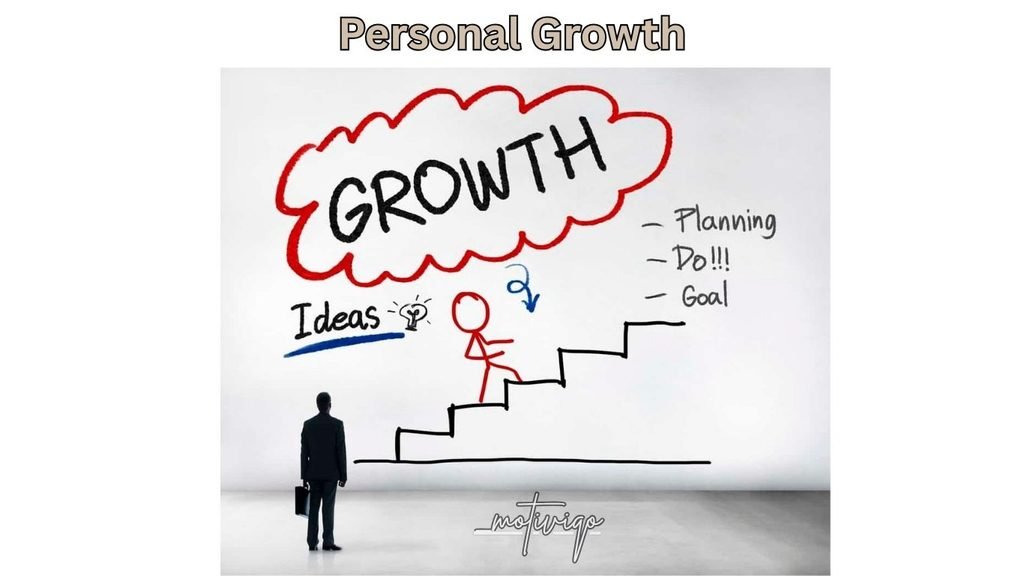
A long list becomes more useful when you turn it into a simple plan. How to improve yourself becomes easier when you focus on one meaningful goal at a time.
Step 1: Choose One Area to Improve
Pick mindset, confidence, discipline, health, relationships, learning, or another area that matters to you.
Step 2: Set a Specific Goal
Define exactly what you want to change.
Step 3: Start With a Small Habit
Choose an action realistic enough to repeat.
Step 4: Create a Daily or Weekly Routine
Attach the new habit to a time or activity you already follow.
Step 5: Track Your Progress
Use a calendar, checklist, notes app, or journal.
Step 6: Review What Is Working
Look at your results rather than assuming your original plan is perfect.
Step 7: Adjust Your Approach
Change the routine when something consistently does not work.
Step 8: Keep Going After Setbacks
A difficult day does not erase your previous progress.
How to Improve Yourself Every Day
If you are still asking How to improve yourself on a daily basis, keep the process simple.
- Learn one useful thing.
- Complete one important task.
- Move your body.
- Practice one positive habit.
- Do something kind.
- Limit one unnecessary distraction.
- Spend a few minutes reflecting.
- Prepare one priority for tomorrow.
You do not need a completely different life to make progress. A few intentional actions repeated consistently can gradually change your routines and direction.
Common Self-Improvement Mistakes to Avoid
Trying to improve every part of life at once can make progress difficult. Avoid these common problems:
- Trying to change everything at once: Start with one or two priorities.
- Setting unrealistic goals: Break ambitious goals into smaller actions.
- Depending only on motivation: Build routines that support consistency.
- Comparing your progress with others: Focus on your own development.
- Giving up after one bad day: Review what happened and restart.
- Focusing only on productivity: Include relationships, rest, learning, and enjoyment.
- Ignoring rest and recovery: Sustainable improvement requires time to recharge.
Frequently Asked Questions About Self-Improvement
How do I start improving myself?
Start with one area that matters to you. Choose a specific goal, turn it into a small daily or weekly action, track your progress, and adjust your routine as you learn.
How to improve your life in 7 days?
Seven days can be a useful starting point, although meaningful personal growth usually takes longer. Use the week to organize your priorities, reduce distractions, improve your routine, move regularly, reflect, connect with supportive people, and choose one habit to continue.
What are 10 ways to improve myself?
Ten practical starting points are:
- Set clear goals.
- Build one good habit.
- Read regularly.
- Move more.
- Improve your sleep routine.
- Practice self-reflection.
- Learn a useful skill.
- Limit distractions.
- Strengthen important relationships.
- Stay consistent after setbacks.
How can I improve myself?
Focus on small, repeatable changes in your mindset, habits, skills, relationships, and daily routine. Decide what matters most, take one practical step, measure your progress, and learn from the results.
Final Thoughts on Improving Yourself
The most useful answer to How to improve yourself is not about becoming perfect. It is about becoming more intentional with your choices and consistent with your actions.
Start with one meaningful area. It might be self-discipline, confidence, personal growth, better habits, learning, relationships, or your daily routine. Choose one small action and give yourself enough time to practice it.
You can also continue exploring Motiviqo’s resources on personal growth, discipline, and self-improvement to find ideas that fit your current goals.
Most importantly, do not measure your entire journey by one difficult day. Progress can be gradual. Learn from setbacks, celebrate useful improvements, and continue moving forward.
Small actions become habits, habits shape your routines, and your routines influence the direction of your life.